
Brick Slip Feature Walls: What to Know Before You Commit
An exposed brick wall is one of the quickest ways to give a room character, but knocking back plaster to find the real thing is messy, unpredictable and often disappointing. Brick slips give you the same look without the structural work. They are thin facings cut from real brick, or made to match it, and fixed to a wall like a tile. Done well, nobody can tell the difference. Done badly, they look like wallpaper. Here's what decides which one you end up with.
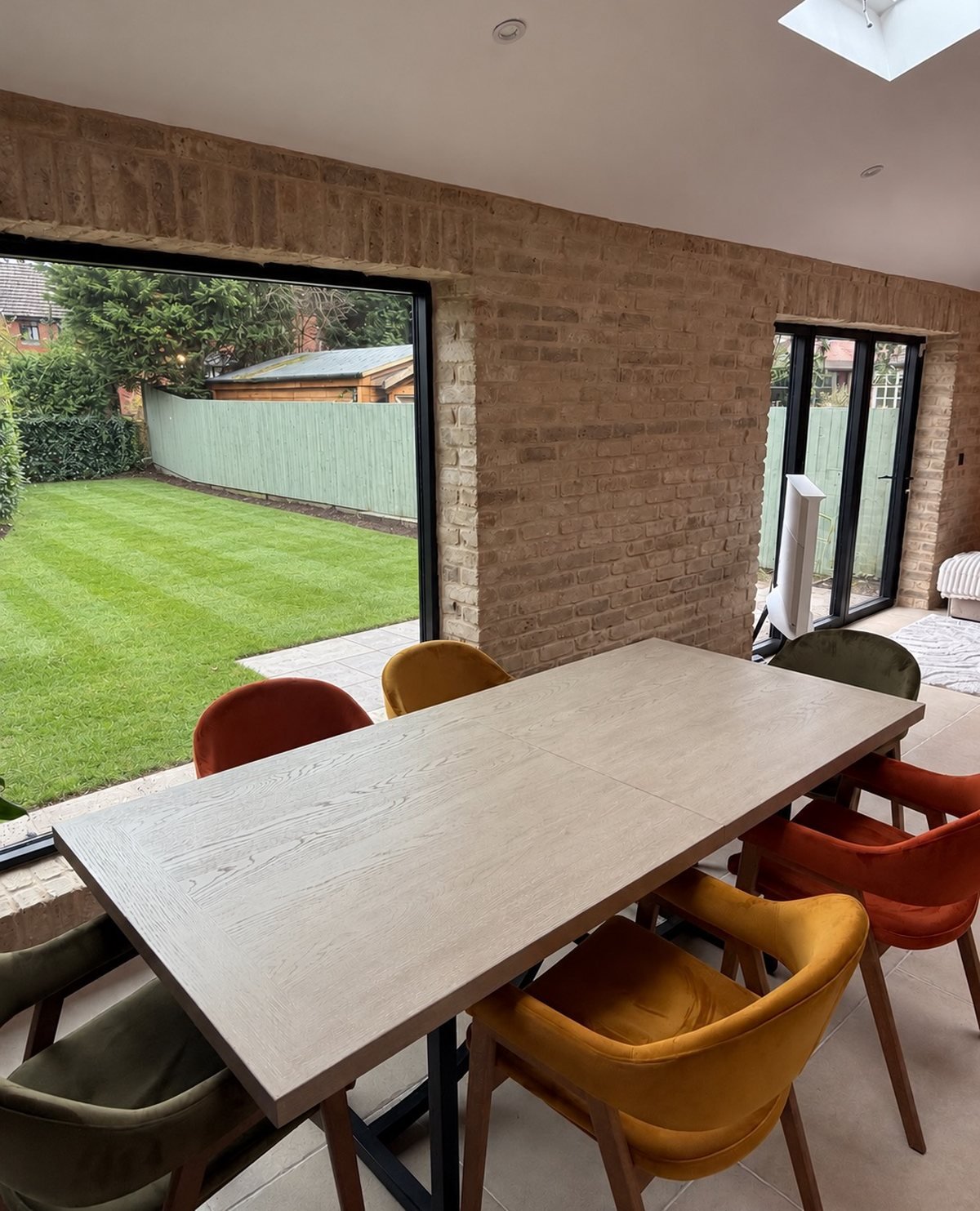
What a Brick Slip Actually Is
A brick slip is the face of a brick without the bulk behind it. Some are sawn from reclaimed or new bricks, so the face, colour and texture are genuinely brick. Others are manufactured to match a particular brick style. Either way, they are thin enough to be bonded to a wall with adhesive, then pointed with mortar between the joints exactly like a laid brick wall. Corner pieces, sometimes called pistol or L-shaped slips, wrap around external corners and window reveals so the wall reads as solid brick from every angle, not just face on.
Where Brick Slips Work Best
Indoors, the most common uses are a single feature wall in a kitchen, dining space or living room, a chimney breast or fireplace surround, or a section of wall in a bathroom where a warmer texture breaks up large areas of tile. Because they are far lighter than full bricks, they can go onto walls that would never carry real brickwork. Outside, brick slips are used to give rendered or block-built walls a brick finish, often on new builds and extensions, but external work has its own requirements around the fixing system and the wall build-up behind it, so it should always be specified properly for that wall rather than treated as a bigger version of an indoor feature wall.
Already sure this is the job you want done properly? Call us directly, no need to read on.
Preparation Decides the Finish
A brick slip wall is only as good as the surface behind it. The wall needs to be sound, flat and suitable for the adhesive being used. Loose plaster, old paint or an uneven surface will show through as slips that sit proud of their neighbours or come away over time. Setting out matters just as much as it does with tiles: the coursing has to run level across the whole wall, the bond pattern has to be planned so cut pieces land in sensible places, and corners and openings need to be worked out before the first slip goes on, not improvised halfway up.
Pointing and Finishing
The joints are what make brick slips look like brick. Pointing with a proper mortar, pressed in and finished to the joint profile you want, gives the depth and shadow lines of a real wall. A recessed joint reads as more modern, a flush or bagged joint as more rustic. Getting the mortar colour right is part of the look too, since it can make the same slip look warm and traditional or crisp and contemporary. Interior slips in kitchens and bathrooms are often sealed afterwards so splashes and steam don't mark the surface.
If you're weighing up a brick slip wall, the useful questions are where it's going, what the wall behind it is like, and what look you want from the joints. Those three answers decide the materials and the preparation, and they're much easier to settle before anything goes on the wall. See our Brick Slip Cladding page for how we approach this on a real job. Or get a free quote if you already know what you need.
Frequently asked
Questions worth answering upfront.
Many are. Some are sawn from real reclaimed or new bricks, so the face is genuine brick. Others are manufactured to match a brick style. Both are fixed and pointed the same way.
Often, yes, because slips are much lighter than full bricks. The board and its fixings need to be suitable for the weight and the adhesive, which is something to check on site rather than assume.
Yes. They work well as a feature wall in both. In areas that get splashes or steam, the finished wall is usually sealed so it stays easy to keep clean.
No. External brick slips need a fixing system and wall build-up specified for outside use, so they should be planned for that specific wall rather than treated as a larger indoor job.